Showing posts with label Experiences. Show all posts

Friday, March 4, 2011

Brain the Brain - What Our Mind is Capable of

Our minds function much like complex computers – better, in fact, than complex computers. Using today’s microchip technology, a computer with the same mental capacity as your brain would need to be as large as the Empire State Building. Somewhere in the mind is the knowledge and capacity to operate every single cell in the body at every moment in time. We cannot even imagine our capacity.

The brain acts as a recording device that begins the instant it starts functioning and doesn’t stop until death. It records on one or a combination of tracks at once. There are tracks to record audio, visual, and emotional sensations. Everything we read, see, or hear, along with any feelings associated with them, is recorded.

As the number of recordings or experiences increases, the tracks begin to overlap, mix with, and override previous recordings. When we consciously or subconsciously tap into our memory banks, what determines, then, which experiences or recordings get played back?
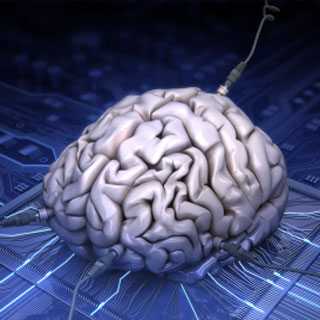
Mind Records - Complex than Computers
It depends on which program is most dominant. For example, if five recordings in your mental computer say that 2 + 2 = 4, and one says 2 + 2 = 5, when asked the answer for 2 + 2, it will most likely answer 4.

The second factor involved in recording and playback is the power source, or the energy available to our memory banks. Our energy levels help determine the quality of the recording and the playback. Without constant energy sources, the playback function is unpredictable. Low energy levels make the recording less reliable. The picture may be fuzzy and distorted.

Energy levels must be maintained so the brain can function at its optimum. Maintaining the body is important so that when we replay experiences the recording will consistently come through loud and clear. But even beyond maintaining the energy levels we can also help make certain that the dominant recordings in our minds are positive ones.


Monday, February 28, 2011

Fight or Flight Reaction: Tension Buildup

Stress’ common denominator is change. As long as we live, we will experience thousands of changes every day.

During any situation involving change, the body can create an enormous amount of pent up energy. As a consequence, a lot of wear and tear (stress) is expressed within. This causes an unnecessary drain on energy reserves.

Other, more obvious, circumstances cause us to react immediately and intensely, producing the fight or flight reaction. This response puts an extremely heavy demand on the body. Perceiving a serious threat, the body is put on red alert in order to make itself respond effectively. The stress producing this fight or flight syndrome is obvious, as the body reacts to a demand placed upon it..

Stress as Fight or Flight Reaction
In order to demonstrate how tension can build slowly and how this accumulation can affect the intensity of the fight or flight reaction, I’d like you to visualize a situation with me.

You are just returning from a pleasant and relaxing vacation. Having settled into your seat on the plane, you lean back to enjoy the memories of the recent days.

Suddenly, the captain’s voice over the intercom interrupts your dreamy thoughts: “We will be passing through the outer edges of a storm. There are reports of mild turbulence. To be on the safe side, please fasten your seat belts.”

The “Fasten Seat Belt” sign blinks on above your head, and a few minutes pass with the airplane bouncing you slightly.

Then you hear the intercom click again.

“The turbulence appears to be a little stronger than we originally anticipated,” says the captain, “so I’ll ask that you remain in your seats, keeping seat belts fastened, until further advised.”

US passenger plane flying
During the next few silent moments, the ride becomes quite choppy. Again, the intercom interrupts.

“This is your captain speaking. Place your trays and seats in a forward position. We are approaching the most turbulent area — Oh! Oh my God!”

The plane lurches forward, you’re thrown against the restraints of the seat belt, and people around you scream out. Suddenly, the entire cabin is quiet.

In a few minutes that seem like hours, the captain returns to the intercom. “Ladies and gentlemen, we are now past the worst of the turbulence. And let me apologize for that sudden outburst — I spilled a cup of hot coffee on my lap.”


Related Posts Plugin for WordPress, Blogger...